8 Fraud Detection Patterns in Solana Meme Coins
More than 80% of tokens tracked across seven months in a large-scale arXiv study of 6.4 million Solana tokens displayed rug-pull behavior, and most showed those characteristics within the first hour of launch. That figure cuts through the usual noise about bad luck or weak communities. Scam launches on Solana aren't random events. They're a compact set of repeatable supply, permission, and liquidity setups executed on fast, low-fee infrastructure.
Treating fraud detection patterns as vague warning labels won't protect your capital. A red icon on a screener doesn't tell you whether you're looking at an insider stash or a public exchange hot wallet. What works is running each pattern as an inspectable check: reading the exact on-chain field, checking it inside the right time window, knowing what shifts the risk profile, and recognizing the false-positive tell that separates legitimate market structure from coordinated extraction.
The eight checks below follow the exact sequence an experienced blockchain analyst runs before sizing a trade: supply, launch, permissions, liquidity, activity, history, exits, and sellability. Work through them in order, and you'll filter out most high-risk setups before you ever look at a price chart.
Table of Contents
- 1. Excessive Holder Concentration in Top Wallets
- 2. Bundled or Sniper Wallet Buying at Launch
- 3. Active Mint or Freeze Authority
- 4. Unlocked or Removable Liquidity
- 5. Wash Trading and Artificial Volume
- 6. Serial Deployer History
- 7. Insider Dump Shortly After Price Rise
- 8. Sell Restriction or Honeypot Behaviour
- The 8 fraud detection patterns compared by signal type and failure mode
- Run the Eight Checks in Order, Then Decide
1. Excessive Holder Concentration in Top Wallets
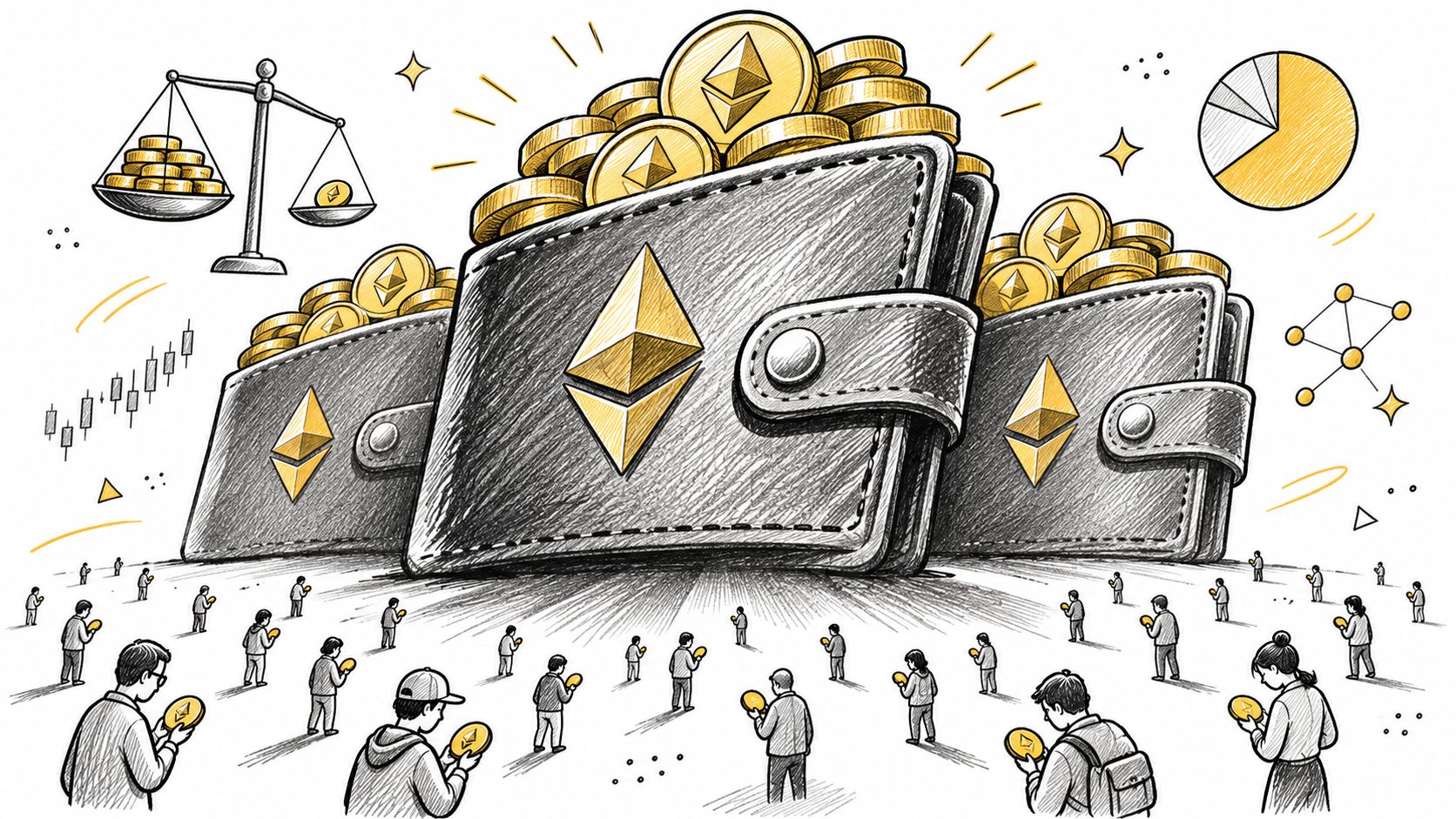
A holder leaderboard measures balances, not independent ownership. Several unlabelled wallets can represent a concentrated allocation, while a large liquidity vault can look like an insider stash. The practical question is how much sellable supply potentially connected holders control relative to the pool available to absorb it.
Use the SPL token's getTokenLargestAccounts RPC method to inspect the largest token accounts, or review the top-holders tab on Solscan or Birdeye. Check immediately after pool creation, then again once the first hour of trading settles. Compare the accounts and their balances rather than relying on a single snapshot.
Separating Insider Stashes from Exchange Wallets
- Strip Out Infrastructure Accounts First: Identify the Raydium or Meteora liquidity pool, dead burn addresses, bonding-curve vaults, and labeled centralized exchange wallets. Separate these from unexplained holdings before interpreting concentration. A pool vault's balance does not represent an ordinary holder's sellable stash.
- Trace Shared Funding Origins: Inspect the SOL funding history of the largest non-pool holders, especially funding received minutes before launch. A shared source or matching exchange withdrawal pattern warrants checking the wallets together. It does not establish common ownership by itself.
- Check the False-Positive Tell: Look for a publicly disclosed Squads multisig treasury or a verifiable vesting locker. Check whether that explanation accounts for the allocation before treating it like tokens held in newly generated, unlabelled wallets.
Consider a meme coin graduating off pump.fun with no dominant non-pool holder. Its largest unlabelled addresses received SOL from the same bridge wallet moments before the opening swap. The leaderboard appears distributed, but the funding connection warrants further investigation.
Concentration becomes more concerning when unexplained, potentially connected balances could overwhelm shallow liquidity. Use that relationship as the check, rather than treating a holder percentage alone as proof of misconduct.
2. Bundled or Sniper Wallet Buying at Launch
Say a new Solana meme coin hits trending feeds minutes after liquidity goes live, showing rapid price expansion and dozens of early buyers. When you inspect the opening block, however, you find that a huge share of those early purchases landed inside the exact same slot as the liquidity initialization transaction. That coordinated entry pattern isn't organic enthusiasm.
Operators use Jito bundles or custom sniper scripts to buy across many wallets in the opening seconds after pool creation, often funded from a single parent address. Locking up supply before public traders can react turns apparent launch demand into pre-positioned sell pressure. Because these setups form in seconds, checking them requires event-time monitoring rather than delayed snapshots. In the 2025 Digital Fraud Outlook survey of 574 fraud, risk, and compliance professionals, 62% of organizations reported moving away from batch transaction monitoring toward real-time detection, while 76% prioritized AI, machine learning, and advanced analytics to sharpen detection accuracy.
The video below walks through how coordinated launch activity and sniper behavior unfold on-chain.
How to Read the Opening Block Window
Open the token's earliest transaction pages and examine the initialize2 or pool-creation slot alongside the opening seconds of trading. Group early buyers by common SOL funders, matching priority fees, or identical token amounts bought in the same block. Bundled launch buying carries far heavier risk when it overlaps with tight top-holder concentration, because both signals point to one coordinated inventory waiting to unload.
Identical slot timestamps don't automatically prove insider control. Public sniper bots also fire in the opening block, so the real false-positive tell is whether early buyers share a funding tree with the deployer or trade independently across unrelated launches.
3. Active Mint or Freeze Authority
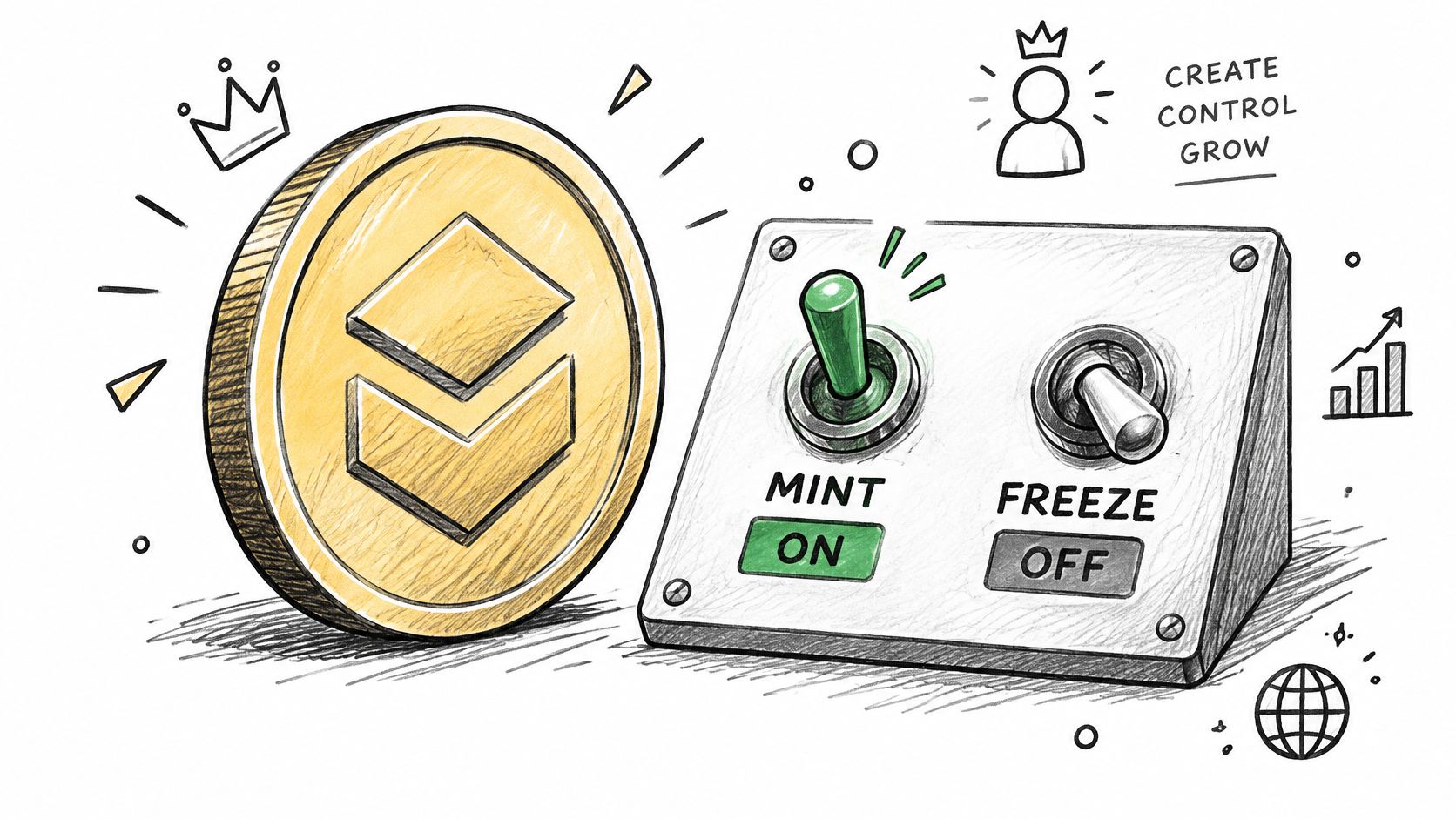
Every standard Solana SPL token exposes two critical permission fields right on its mint account: mintAuthority and freezeAuthority. You can read both fields in seconds on Solscan or through an RPC getAccountInfo call before placing a trade. An active mint authority allows the controlling wallet to print unlimited extra tokens and dump them into the pool, diluting every buyer to zero. An active freeze authority lets the controller lock any holder's token account, blocking sells while buys keep flowing in.
The visual below illustrates how these two permission switches determine whether a creator retains control over supply and transfers.
- Demand Null Permissions on Entry: Check that both
mintAuthorityandfreezeAuthorityreturnnullbefore committing capital to any speculative Solana meme coin. - Re-Verify Before Scaling In: Confirm authority status again if you add to a position later, ensuring you aren't relying on cached explorer data from launch minute.
- Combine Permissions With Exit Checks: Treat revoked authorities as a mandatory baseline filter, then pair them with liquidity and sell-route verification.
What Revoked Permissions Do and Do Not Prove
Context matters when reading permission flags, because active controls aren't always malicious. Regulated stablecoins like USDC intentionally retain mint and freeze authorities for issuer operations and legal compliance, which is the classic false-positive tell. Anonymous meme coins don't share those operational requirements, so live authorities there present uncompensated risk.
At the same time, clean permissions never guarantee a safe trade. Say a trader buys a hyped pair solely because a scanner displays green ticks for revoked mint and freeze fields, only to watch slot-zero wallets collapse the price an hour later. As detailed in this revoked mint authority safety myth study, disabling supply inflation still leaves traders exposed to insider concentration, bundled launches, and liquidity pulls.
4. Unlocked or Removable Liquidity
A high liquidity figure on a chart aggregator means very little if the creator still holds the keys to withdraw it. On standard automated market maker pools like Raydium AMM, anyone holding the LP (liquidity provider) tokens can call withdraw and pull the pooled SOL straight out of the market. Once that SOL leaves the pool, remaining token holders lose their exit route immediately.
The diagram below captures the core risk of unburned pool shares.
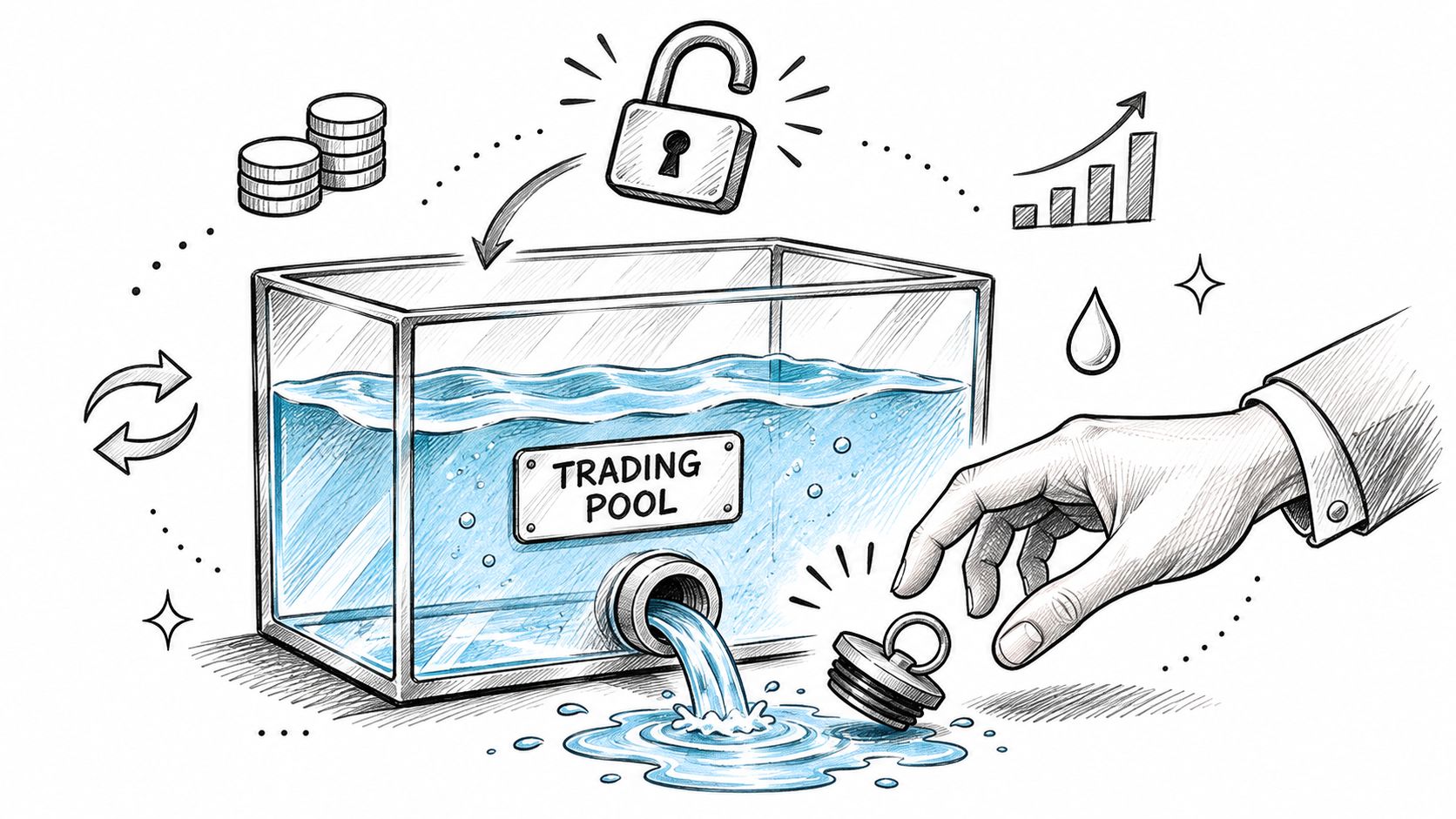
Read the LP mint holder table on the pool contract rather than stopping at the meme coin's own holder list. Check this field right after liquidity goes live, and monitor it again if pool depth jumps abruptly during a rally. You want to see LP tokens sent to a verifiable burn address or secured inside an audited, long-duration locker contract rather than sitting in an active wallet tied to the deployer.
Checking LP Custody and Real Trade Slippage
Custody isn't the whole story. Even when LP tokens are burned, thin pool depth relative to market cap creates severe price impact on modest sells, making exits expensive the moment sentiment turns. Run a realistic swap quote on Jupiter for your actual trade size to see real slippage instead of trusting headline pool numbers. You can see how shallow pools accelerate post-spike collapses in this thin liquidity death zone study.
False-positive tell: Concentrated liquidity pools such as Meteora DLMM or Raydium CLMM manage positions through NFTs rather than traditional fungible LP tokens. Check whether the position NFT is locked or held by a transparent multisig before treating an unfamiliar pool structure as a rug setup.
Say a pair displays solid pool depth during a breakout, prompting momentum buyers to enter quickly. Checking the LP mint reveals a single unverified address still owns the pool shares; minutes after the peak, that address drains the pool in one transaction and traps everyone left holding the token.
5. Wash Trading and Artificial Volume
A chart printing relentless volume bars while the unique holder count barely moves is one of the sharper fraud detection patterns on decentralized exchanges. Aggregators like DexScreener rank trending pairs heavily by volume and transaction count. Operators can route funds back and forth between controlled wallets to manufacture momentum and pull retail traders in.
The illustration below depicts how controlled wallet loops fabricate trading activity to disguise thin organic demand.
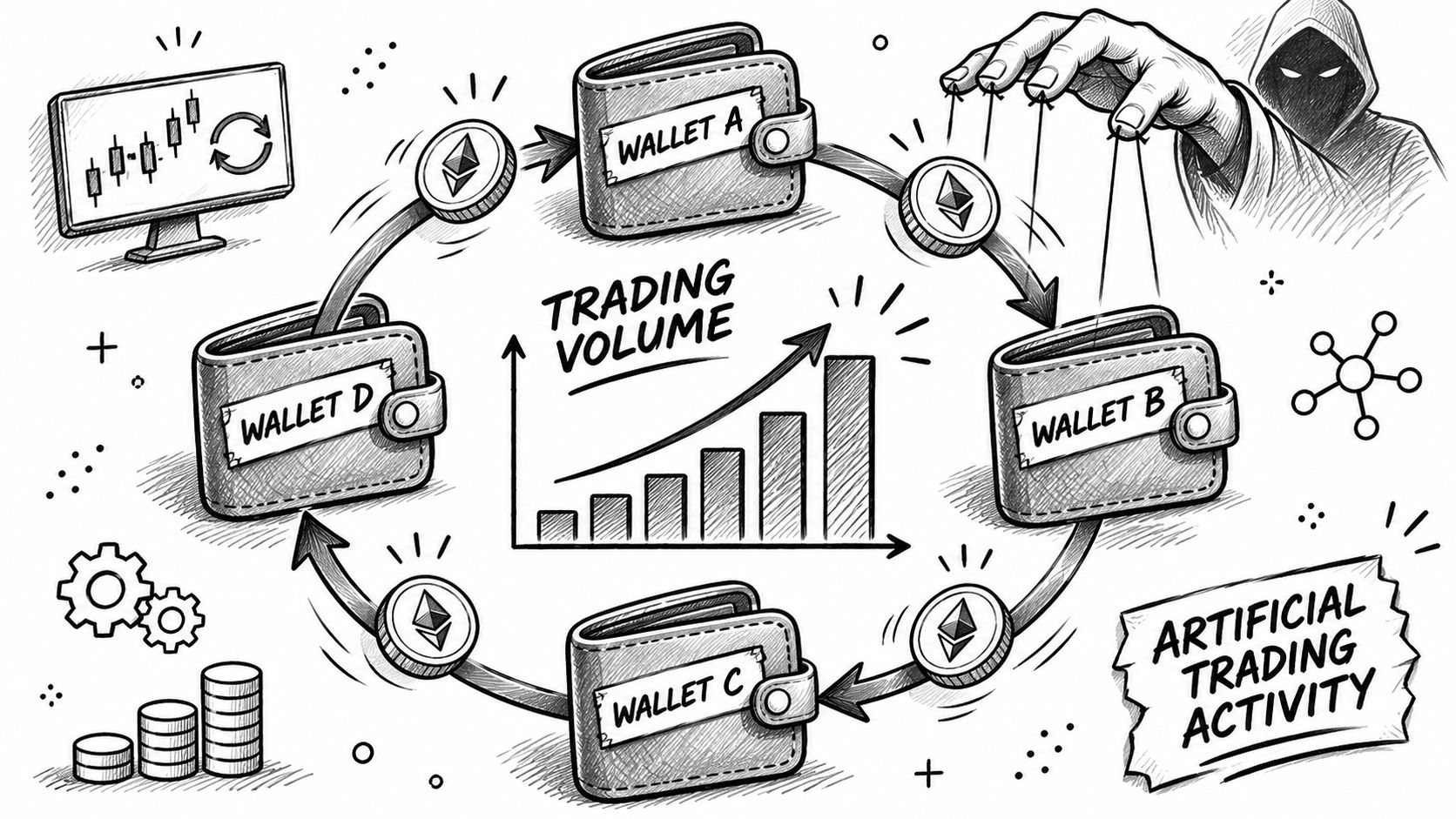
Open the pool's live swap transaction log and inspect rolling short windows. Compare unique signers against total swap counts, and measure the volume-to-market-cap ratio against peers of similar age. The check is inspectable: read the signer field on each swap, count distinct addresses over a short window, then compare repeated clip sizes and counterparties against the wider flow.
- Audit Signer Diversity: When a tiny circle of wallets accounts for the majority of transactions, headline volume represents recycled SOL rather than expanding demand.
- Spot Round-Trip Swaps: Look for repeating clip sizes bouncing between buys and sells across linked wallets within seconds of each other.
- Check the False-Positive Tell: Legitimate arbitrage bots and MEV searchers also execute high-frequency round-trip swaps across Raydium and Orca pools during volatile runs. Check whether those active wallets trade dozens of unrelated tokens across Solana or only cycle inside this single pair.
Balancing Volume Alerts Against False Alarms
Treating every high-turnover chart as wash trading creates costly false alarms that lock you out of genuine viral moves. Ignoring recycled volume can lead straight into exit traps. Volume-based alerts trade off between catching manipulation and flagging legitimate activity, so each alert needs context such as signer diversity and whether the wallets trade other tokens. That context separates a market maker moving inventory from a closed loop designed to impress a trending board.
Say a fresh launch climbs a trending board on massive short-window volume. Clicking into the swap feed reveals the same few accounts buying and selling identical SOL clips every few seconds with almost no independent wallets accumulating. The chart's energy is manufactured rather than organic. That is a starting point for further checks, not evidence of misconduct by itself.
6. Serial Deployer History
Many rug pulls aren't isolated experiments by amateurs. Recent arXiv research examining Solana token fraud describes an organized model built around large-scale token deployment and centralized profit extraction, analyzing 78 large fraud syndicates alongside industry crime estimates putting cryptocurrency transfers to fraud schemes at approximately $35 billion in 2025. Because repeat operators reuse the same deployment scripts and exit routines, creator history gives you context that a single token's snapshot can't provide.
Start by reading the feePayer and creator address on the token's creation transaction, then pull that wallet's full minting and transfer history over recent days and weeks. One clean token chart looks completely different once you see the same operator launched a trail of rapid-collapse pairs earlier that week.
Tracing Rotated Deployer Wallets
Experienced syndicates rarely deploy ten rugs from one obvious address. They spin up fresh wallets for each launch, fund them from an upstream hub, and sweep profits back into shared collection accounts. Tracing one or two funding hops backward exposes those rotated identities fast. For a practical walkthrough of tracking funding trees and prior launches, review this guide on how to check a Solana token creator wallet.
- Prioritize Failure Patterns Over Raw Counts: Weight past liquidity drains, rapid dumps, and abandoned pools far more heavily than a deployer's total number of launches.
- Follow Post-Launch Profit Flows: Check where extracted SOL moves after a chart peaks; syndicate wallets often converge on the same consolidation address or exchange deposit route.
- Know the False-Positive Tell: Launchpad factory programs and legitimate token-creation platforms deploy massive numbers of mints automatically. Make sure you're auditing the human wallet that funded the deployment, not a shared launchpad router address.
Say a new token's immediate creator wallet has zero previous mints and looks clean at first glance. Stepping one hop back in its SOL funding history leads straight to a parent wallet that financed multiple earlier meme coins, every one of which dumped shortly after launch.
7. Insider Dump Shortly After Price Rise
Holder concentration reveals who can crash a market; sell timing reveals when they're pulling the trigger. Even when a launch clears early permission and liquidity checks, creator-linked wallets and early slot-zero buyers often wait for social traction to deepen the pool before offloading into retail demand.
Monitor swap and transfer outflows specifically from top early wallets during vertical price spikes, rather than relying on aggregate buy-versus-sell volume bars. Keep that watch active through the opening hours after a breakout, because large exits unfold rapidly once retail liquidity peaks.
Scoring exit severity matters because financial damage in crypto crime concentrates heavily in high-value investment schemes rather than minor spam. According to the FBI's Internet Crime Complaint Center, total reported internet-crime losses reached $16.6 billion in 2024, a 33% jump from 2023, with cryptocurrency-related investment fraud alone exceeding $6.5 billion. Watching how quickly early insiders convert rallies into SOL keeps your focus on the highest-severity loss mechanism.
Separating Profit Taking from Coordinated Extraction
Early buyers naturally take profits during strong rallies, and legitimate community projects occasionally trim small treasury slices to fund listings or marketing. That's the false-positive tell: steady, modest trims by unrelated early traders differ sharply from multiple linked wallets dumping near-total allocations into the first big green wave.
Analyst check: Track net outflows from slot-zero and top-holder clusters separately from general market selling, and review 24-hour post-flag price action to calibrate whether your sell alerts catch real dumps without triggering on healthy pullbacks.
Say a meme coin doubles on social buzz while overall buy counts remain ahead of sells. Filtering the live tape for the earliest buyers shows several funding-linked wallets liquidating heavy allocations into every upward push, showing that incoming retail bids are absorbing insider exits.
8. Sell Restriction or Honeypot Behaviour
A price chart stacked exclusively with green candles isn't proof of relentless demand. In a honeypot, buyers can enter freely while sells fail, revert, or lose nearly all value to hidden fees. This trap can exist even when top-holder tables, pool depth, and standard authority flags look acceptable on the surface.
Check the mint's token program ID right away to see whether it uses the classic SPL Token program (Tokenkeg...) or Token-2022 (TokenzQd...). On Token-2022 mints, inspect active extensions including TransferFeeConfig and TransferHook, and compare cumulative buy counts against sell counts across the token's live history.
- Audit Buy-to-Sell Asymmetry: A steady stream of independent buys paired with near-zero non-whitelisted sells is one of the clearest signs that exits are blocked or penalized.
- Read Token-2022 Extensions Carefully: Check whether a custom transfer hook routes every swap through an unverified external program, or whether a mutable fee authority lets the creator hike transfer taxes after buyers enter.
- Simulate Your Exit Before Sizing Up: Run a sell quote through Jupiter or a swap simulator before committing real capital to verify that a clean return route back to SOL executes.
Recognizing Legitimate Taxed Tokens Versus Traps
Some community tokens legitimately use Token-2022 transfer fees to fund automated burns or liquidity rewards, which serves as the main false-positive tell here. A small, fixed, publicly documented fee alongside active two-way selling from independent wallets behaves differently from an undisclosed hook or a live fee-configuration authority that can turn a modest tax into a full confiscatory trap overnight.
Say a trader spots a freshly launched token climbing smoothly with dozens of retail buys and almost no red bars on the chart. Inspecting the mint reveals a Token-2022 transfer hook tied to an unverified program, and the transaction log shows only one whitelisted address successfully selling back into SOL, flagging the trap before any funds get locked inside.
The 8 fraud detection patterns compared by signal type and failure mode
| Pattern | Detection category | Signal type | Primary red flag | False-positive risk |
|---|---|---|---|---|
| Excessive Holder Concentration in Top Wallets | Holder distribution and concentration | Transactional (static holdings snapshot) | A small number of wallets control a large share of supply | Legitimate team or treasury allocations; pool and exchange wallets can distort results |
| Bundled or Sniper Wallet Buying at Launch | Trading patterns (bundle and insider detection) | Behavioral and transactional (launch-window timing) | Coordinated early buys give insiders a large share before public buyers can react | Genuine early buyers may use fast bots; benign launches may also use bundling tools |
| Active Mint or Freeze Authority | Creator behaviour | Transactional (contract permission state) | Active authority can enable supply inflation or prevent holders from selling | Legitimate projects may retain authorities for upgrades or governance |
| Unlocked or Removable Liquidity | Liquidity depth and lock status | Transactional (liquidity pool state) | Creator-controlled LP tokens can be withdrawn, removing buyers' exit liquidity | Burned LP does not prevent other exit mechanisms; third-party locks vary in trustworthiness |
| Wash Trading and Artificial Volume | Trading patterns | Behavioral (transaction graph patterns) | Repeated controlled-wallet trades inflate apparent volume and demand | Market makers, arbitrage bots, and low liquidity can create similar patterns |
| Serial Deployer History | Creator behaviour and historical risk indicators | Behavioral (creator history over time) | The deployer has a history of launching tokens that rugged, dumped, or were abandoned | Legitimate builders may launch repeatedly; operators can switch wallets |
| Insider Dump Shortly After Price Rise | Trading patterns and wallet activity | Behavioral (sell timing relative to price) | Creator-linked or early wallets sell heavily after a price rise | Retail selling during a pump may look similar; insiders can spread sales across wallets |
| Sell Restriction or Honeypot Behaviour | Trading patterns and creator behaviour | Transactional (buy and sell success ratio) | Buys succeed while ordinary holders' sells fail or face severe restrictions | Simulations may miss conditional rules; legitimate transfer fees can look similar |
Run the Eight Checks in Order, Then Decide
Treat these eight fraud detection patterns as a fast triage funnel rather than a long checklist you read only after getting burned. Start with supply concentration and launch bundling (Checks 1 and 2); those two reads eliminate most insider-controlled pairs in under a minute. Next, verify mint and freeze authorities, LP custody, and sellability (Checks 3, 4, and 8) so you know the contract and pool allow an exit. Once you're in a position, shift volume quality, serial deployer history, and insider sell timing (Checks 5, 6, and 7) into ongoing monitoring as market conditions evolve.
Automated flags speed up that workflow, but they never replace human verification. The Association of Certified Fraud Examiners' 2024 Report to the Nations examined 1,921 occupational-fraud cases across 138 countries and found that human tips exposed 43% of cases, while automated transaction or data monitoring caught only 3%. On-chain scanners work the same way: quantitative alerts surface unusual wallet clusters and liquidity shifts quickly, while your own review of funding paths, multisig disclosures, and swap behavior tells you what the data means.
Keep clear boundaries around what evidence can and cannot prove. Suspicious activities and potentially linked wallets are starting points for deeper checks, not proof of misconduct. Missing data is never proof of safety either, especially during the opening minutes of a launch when insider behavior hasn't had time to surface yet.
When cross-referencing Solscan holder tables, funding hops, LP locks, and swap feeds manually gets too slow, MemeAssist brings live on-chain data across six signal categories (liquidity, holder distribution, creator behaviour, wallet activity, trading patterns, and historical risk indicators) into one report with an Overall Health Score, Rug Risk Rating, AI Verdict, and Detailed Risk Breakdown. We also compare flagged signals against subsequent market outcomes, including a published track record covering 105 measured analyses across 84 tokens following an Avoid status, using that outcome tracking to evaluate signal reliability rather than claiming any score predicts a rug or a profitable trade. Repeatable checks won't eliminate volatility in Solana meme coins, but running the same evidence-first sequence before every entry stops you from funding the same eight setups twice.
Run every Solana contract through a structured on-chain check instead of guessing from a fast-moving chart. MemeAssist combines live liquidity, holder concentration, creator history, and trading-pattern checks into one plain-English report, with one free full analysis for new accounts and no wallet connection required. Paste a Solana token address today to inspect the underlying evidence before you commit capital.
Topics: fraud detection patterns, solana meme coins, rug pull indicators, on-chain analysis, token safety
Informational only, not financial advice. Meme coins are extremely high-risk.
All articles