7 Best Health Score Apps: Features, Pricing and Pros
Compare the 7 best health score app options by features, pricing, pros and cons, from HRV and readiness scores to lifestyle ratings.
Published
Updated

Most advice about a health score app starts with the score itself. That's backwards. The better question is what the score is built from, whether it helps you make a real decision, and how much hardware or recurring cost you have to accept to get it. A number that tracks sleep or recovery can be useful, but a number that mixes lifestyle signals without clear inputs can be more decoration than decision support.
This roundup ranks seven score-based apps by how much gear and ongoing spend they demand. It also separates training readiness scores from general lifestyle habit scores, because those are not the same thing. If you want a daily number that helps you decide whether to push harder, recover, or just keep your routine steady, the details matter more than the branding.
Table of Contents
- 1. Welltory
- 2. dacadoo Health Score
- 3. PAI Health
- 4. Fitbit and Google Health Daily Readiness Score
- 5. Garmin Body Battery and Training Readiness
- 6. Oura
- 7. WHOOP
- Top 7 Health Score Apps Comparison
- Match the Score to the Question You Need Answered
1. Welltory
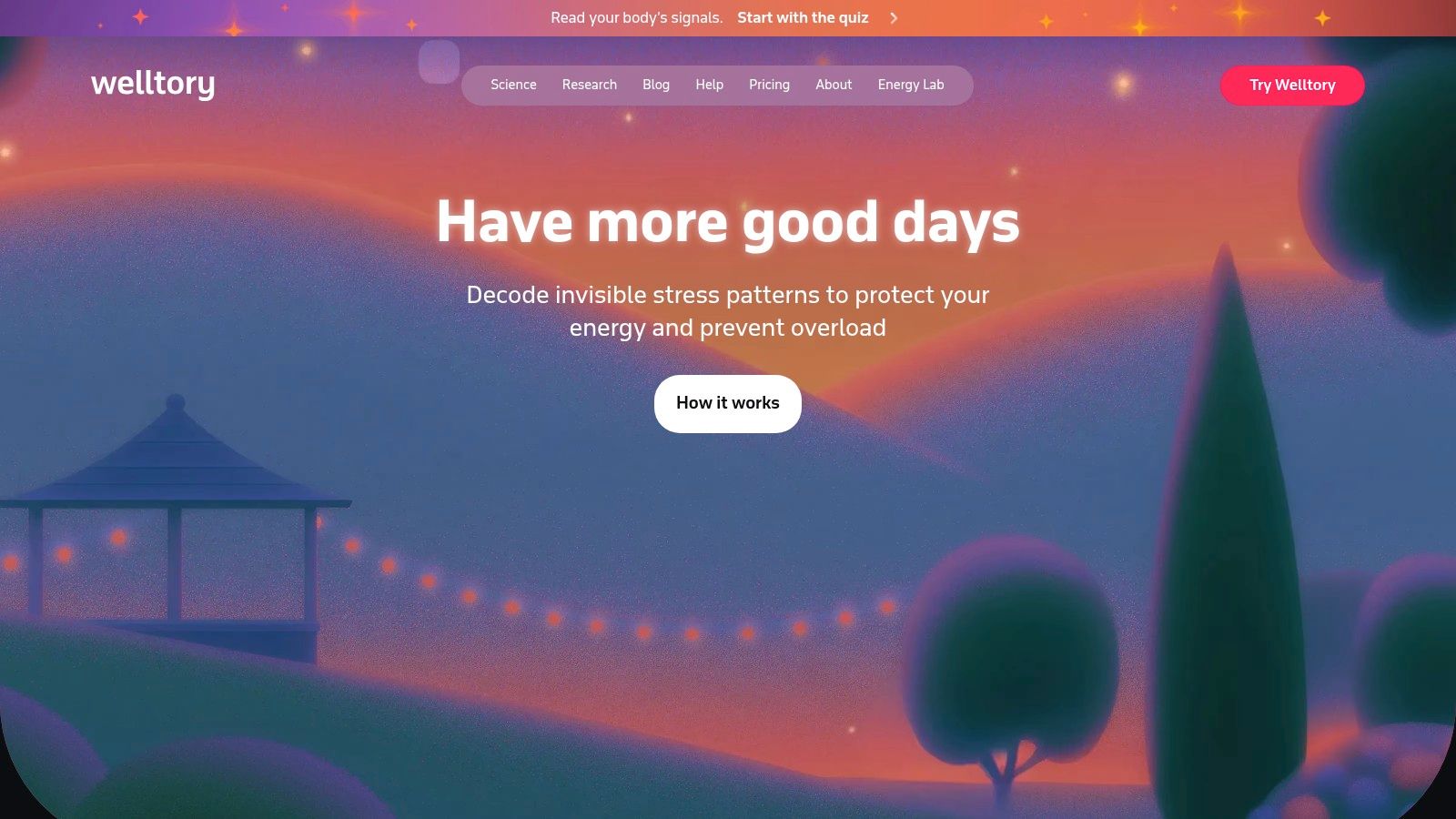
Welltory sits near the low-cost end because it can work with a phone camera or connected wearables instead of forcing you into new hardware. That makes it appealing if you want a quick daily Health, Battery, and Stress score without buying a ring or watch first. Its pitch is broad, but the practical value is in how it turns heart-rate variability into something you can revisit day after day on the same device you already carry.
Where it scores well
Welltory is strongest for people who want a general physiological overview rather than a training-specific readiness number. It also plays nicely with Apple Health and other data sources, so it can unify information from different places instead of making you rebuild your habits around one device. The app's structure, with 20+ sub-scores per reading, gives more texture than a single static number.
Its biggest strength is accessibility. You can start without replacing your current setup, and that lowers the barrier to checking whether your sleep, stress, or energy patterns are moving in the right direction.
Practical rule: If you mainly want a day-by-day pulse on how your body is responding, start here before you pay for dedicated hardware.
Where it falls short
The trade-off is that the most useful features sit behind Premium, and pricing can vary by store and region. That makes long-term cost harder to compare than it is with a fixed device subscription. The score is also only as persuasive as the user's trust in HRV-based interpretation, so it works best when you treat it as a trend tool, not a medical verdict.
Welltory suits people who want an entry-level health score app with light hardware demands and are comfortable paying later if they want deeper guidance.
2. dacadoo Health Score
dacadoo is better understood as a well-rounded lifestyle score than a medical engine. It condenses lifestyle, activity, sleep, mental well-being, and related inputs into one number, which makes it useful for broad behavior tracking but less useful if you want a training-readiness answer tied to a specific session or race plan. It also appears both as a consumer app and as an enterprise platform used through partners.
What it measures and who it suits
The score is useful when the question is, “How am I doing overall?” rather than “Am I ready to train today?” That makes it a fit for people who want a broad, coach-like summary of habits. It also suits organizations that want a white-label health score layer, since dacadoo is widely used by insurers and employers.
If you want to compare that kind of scoring to a manual checklist approach, this Solana token health score vs manual checks guide shows why transparent inputs matter when a single number stands in for many signals.
Where it falls short
dacadoo leans lifestyle-first, so it doesn't solve clinical questions or training-period questions very well. Consumer pricing is also less straightforward because the product is often packaged through enterprise relationships rather than sold like a simple app store subscription. That means the actual cost can be less visible than the branding suggests.
The score is most useful when you want consistency, not complexity.
That makes dacadoo a fit for users who want a broad health score app with low hardware demands and are less concerned about sport-specific readiness.
3. PAI Health
PAI is the cleanest example of a score that measures training readiness through activity intensity, not general wellness. Its logic is simple enough to remember, because the model centers on weekly heart-rate intensity and a rolling seven-day target. That makes it attractive if you like a number with a clear behavioral rule attached to it.
Why the model is different
PAI is hardware-agnostic in concept, which keeps the recurring burden lower than fully bundled wearable systems. It can work across different devices and ecosystems, so you're not locked into one brand just to keep the score alive. The strength here is not flashy dashboards, it's the simplicity of the target and the fact that it rewards sustained effort over one-off bursts.
This is also why PAI feels more like a performance habit metric than a broad health index. It tells you something meaningful about activity intensity, but it won't substitute for sleep depth, strain, or recovery detail.
Where it falls short
The main limitation is scope. PAI mostly answers whether your activity pattern is hitting a useful intensity target, and it gives you less insight into the rest of your day. If you want sleep, stress, or whole-body recovery in the same place, you'll need another tool.
That narrower focus is exactly why some users like it. It keeps the signal readable and avoids the “too many scores, no clear action” problem.
PAI suits people who want a training-oriented health score app with low device complexity and don't need a full lifestyle dashboard.
4. Fitbit and Google Health Daily Readiness Score
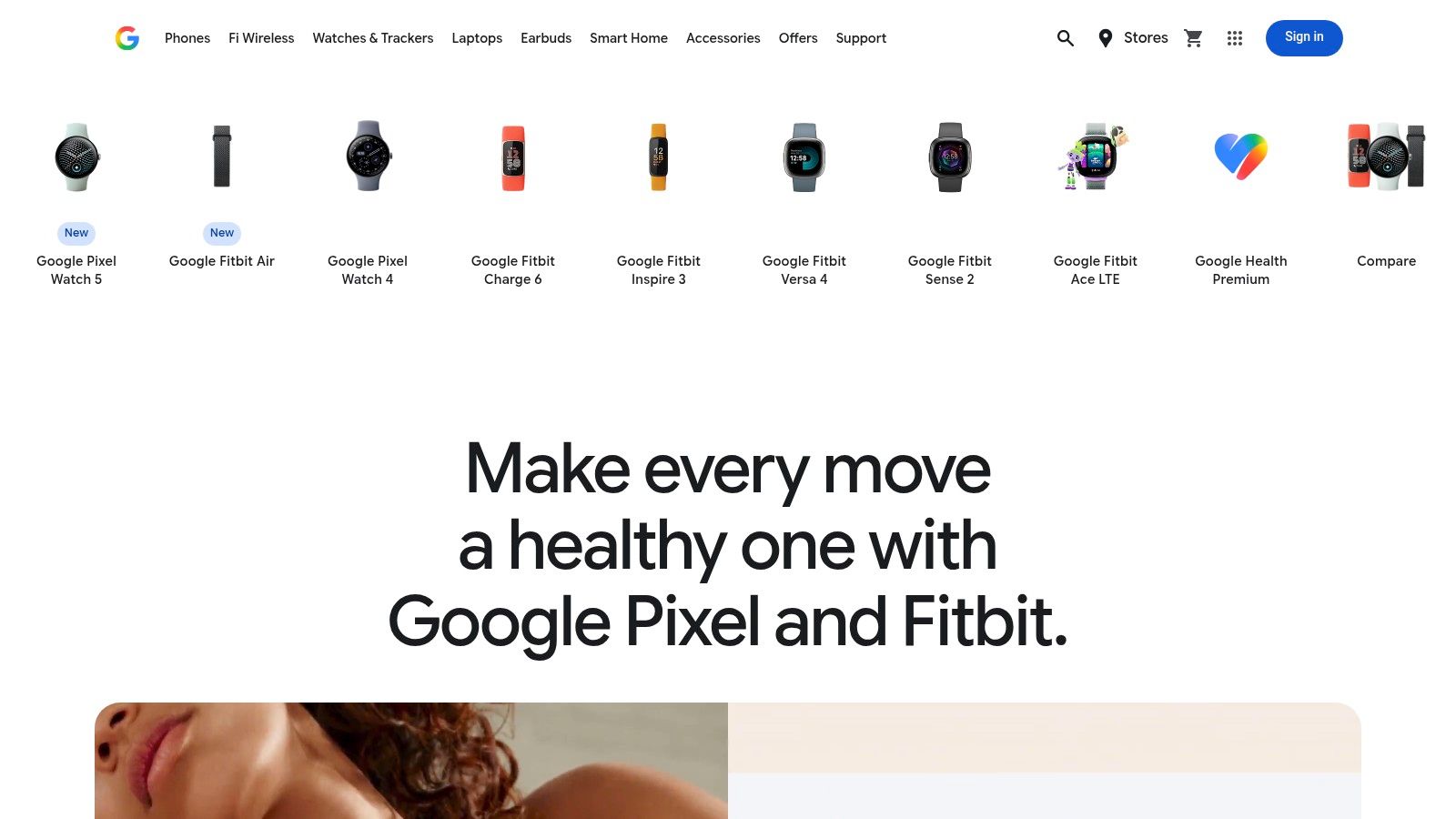
Fitbit's Daily Readiness Score lives inside an ecosystem many people already own, which lowers the hardware barrier if you're already wearing a compatible Fitbit or Pixel Watch. It blends sleep, activity, and HRV to suggest whether you should train or recover, so it belongs firmly in the training readiness camp rather than the broad lifestyle category. For users already inside that ecosystem, it's a practical bridge between casual tracking and more structured recovery guidance.
What it does well
The score works best when you already use other Fitbit features, because it sits alongside sleep, cardio fitness, mindfulness content, and broader wellness tracking. That makes the output easier to interpret in context than a standalone number in a vacuum. For users who want one place to see sleep and readiness together, it feels coherent.
For a deeper comparison of how scoring systems surface public evidence and interpretability, the best memecoin scanners guide is a useful parallel, because both categories depend on trust in the signals underneath the score.
Where it falls short
Daily Readiness generally requires Fitbit Premium, so the recurring cost is not just the watch. Some users also report that scoring sensitivity feels different after app or platform transitions, which makes long-term comparisons less straightforward than they should be. That doesn't make the score unusable, but it does mean you should treat trend changes carefully.
Good use case: people who already live inside the Fitbit or Pixel ecosystem and want a readiness number without leaving that environment.
It suits users who want a familiar health score app with moderate hardware demands and a recurring subscription layer.
5. Garmin Body Battery and Training Readiness
Garmin is one of the strongest choices for people who care about training readiness more than generic wellness. Body Battery and Training Readiness are different scores, and that distinction matters. One is about energy and recovery state, the other is about whether your body looks ready for training load, so Garmin gives you a more sport-oriented interpretation than most general-purpose apps.
Why runners and multisport users like it
Garmin integrates these scores into a broader training ecosystem, which makes them especially useful if you already plan workouts in Garmin Connect. The core scores don't require a recurring subscription, so the ongoing cost is lower than many app-plus-membership models once you've bought the device. For athletes, that can make the ownership model easier to justify over time.
The score also comes with useful context in trend views and explanations, which helps reduce the “I got a number, now what?” problem. That matters because readiness scores are only useful if you can connect them to actual training decisions.
Where it falls short
You do need a compatible Garmin watch, and that usually means a higher upfront hardware cost. Body Battery and Training Readiness also use different inputs and algorithms, which can confuse users who expect one score to explain everything. If one number says “recovered” and another says “not ready,” the burden is on you to understand the difference.
Garmin works best when you accept that energy and readiness are related, but not identical.
That makes it a strong pick for runners, cyclists, and multisport users who want a durable health score app with no core subscription penalty.
6. Oura
Oura is a strong fit if your main question is sleep and recovery, not calorie burn or gym performance. The ring form factor is comfortable for 24/7 wear, which matters because its Readiness, Sleep, and Activity scores are only as useful as the consistency of the data underneath them. For many people, Oura is the most natural “how ready am I today?” product in this list.
Why it stands out
Oura's Readiness score is explicitly framed as a daily capacity number, and its contributors tie back to sleep, activity, and body signals like resting heart rate, HRV, and temperature. That makes the score feel more interpretable than a black box. The app also gives you daytime stress and resilience tracking, so the number doesn't float on its own.
The ring itself is the trade-off. You pay upfront for the hardware, then you pay again for membership if you want full access. That recurring layer makes Oura costlier than app-only tools, but the data quality and sleep focus are the reason many people still choose it.
Where it falls short
Oura is not the cheapest route to a readiness score, and its value depends on whether you'll wear it consistently. If you're not comfortable with a ring, the form factor becomes a barrier instead of a benefit. If you do wear it all the time, the app's three-score structure stays easy to follow.
Oura suits users who want a polished, wearable-first health score app with strong sleep and recovery emphasis.
7. WHOOP
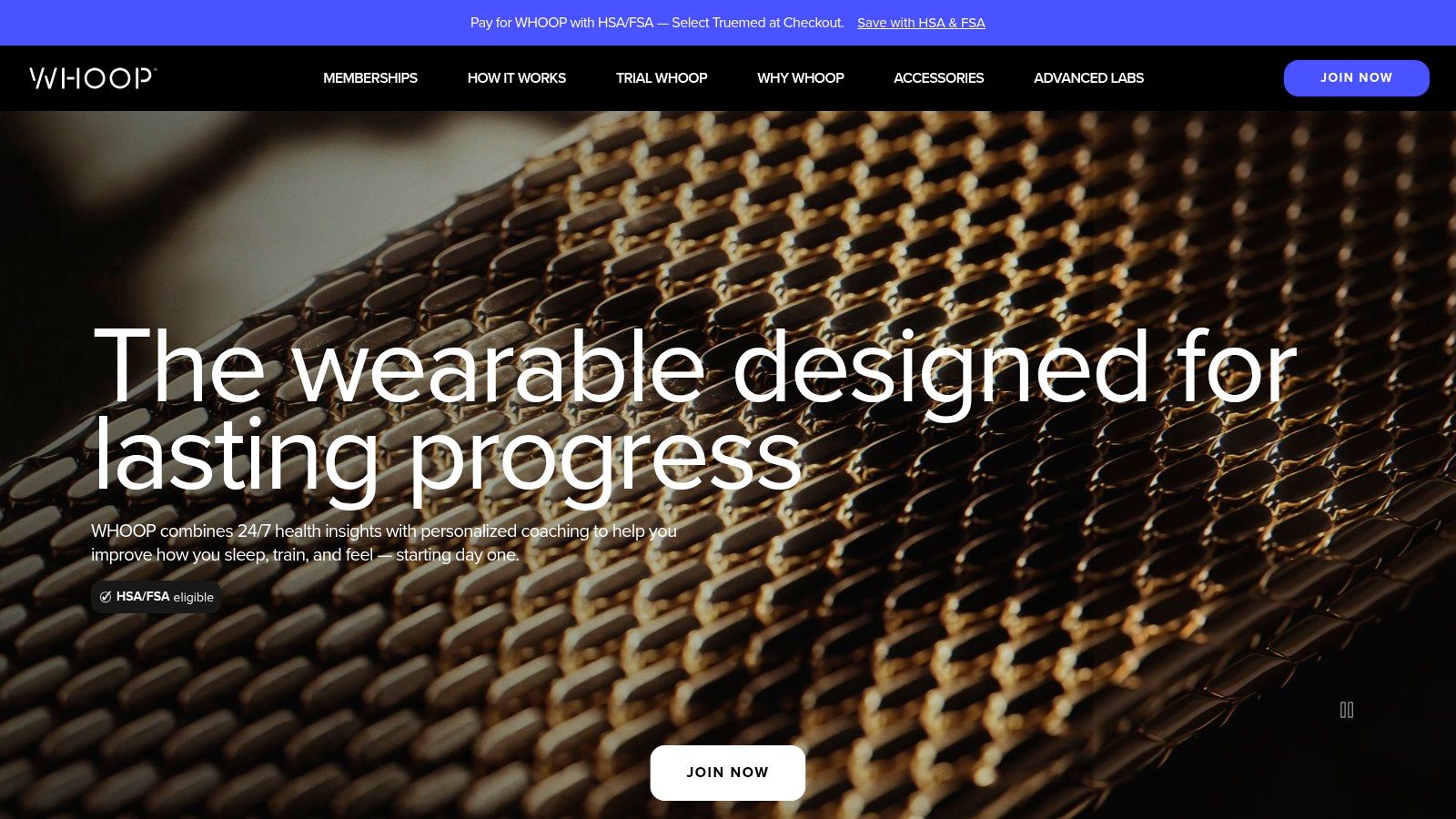
WHOOP is built for people who want a training recovery system, not a casual wellness summary. It bundles hardware, firmware, and the app under a membership model, so the score is tied to a bigger ecosystem rather than a one-off purchase. That makes it one of the highest recurring-cost options here, but also one of the more cohesive ones for athletes who live by their readiness and strain numbers.
What the system does well
WHOOP's daily Recovery, Strain, and Sleep scores are designed around continuous wear and coaching context. The integrated setup can be appealing if you want a single subscription that handles the sensor, app, and updates together. It's especially relevant for users who want to track training load as closely as recovery state.
The price you pay is not just financial. WHOOP works best when you wear it nearly all the time, because the scoring model depends on continuous signal capture. If you're not committed to that, the value drops quickly.
Where it falls short
The membership requirement is the biggest barrier. It costs more than app-only options, and it's harder to justify if you only want an occasional readiness check. WHOOP can also be overkill for people whose goal is general health awareness rather than training optimization.
For comparison's sake, users who want a deeper understanding of how scores can change after a flag or outcome may find the health score 24 hour outcomes study useful, because the logic of evidence freshness applies well beyond crypto.
WHOOP suits athletes and data-heavy users who want an always-on health score app with a strong recovery focus and are willing to pay for it.
Top 7 Health Score Apps Comparison
| Product | Implementation complexity 🔄 | Resource requirements ⚡ | Expected outcomes ⭐📊 | Ideal use cases 💡 | Key advantages ⭐ |
|---|---|---|---|---|---|
| Welltory | Low, app-based; phone camera or wearables | Minimal hardware; optional Premium subscription | Daily Health / Battery / Stress scores; habit & sleep insights 📊 | Users wanting quantified overview without new hardware | Works with phone camera + wearables; clear scoring model |
| dacadoo Health Score | Medium, consumer app or enterprise / API deployments 🔄 | App plus enterprise integrations for partners; coaching content | Single holistic Health Score across lifestyle domains 📊 | Employers, insurers, or users seeking lifestyle-centric scoring | Science-framed, white-labelable platform; scalable APIs |
| PAI Health | Low, simple rolling 7-day model 🔄 | Any heart-rate–capable device; hardware-agnostic ⚡ | Rolling weekly PAI score with evidence-based target (≥100) ⭐ | Activity-focused users seeking a clear cardiovascular target | Evidence-referenced, personalized intensity metric |
| Fitbit / Google Daily Readiness | Medium, requires Fitbit/Pixel device + ecosystem | Compatible Fitbit or Pixel Watch; Premium often required ⚡ | Daily Readiness blending sleep, activity, HRV to guide training/recovery 📊 | Existing Fitbit/Pixel users wanting integrated readiness guidance | Deep integration with Fitbit metrics, coaching prompts |
| Garmin (Body Battery & Training Readiness) | Medium, wearable-dependent, integrated training tools 🔄 | Typically higher-cost Garmin device; core scores free ⚡ | Body Battery and Training Readiness (0–100) with training load context 📊 | Runners and multisport athletes needing training-ready metrics | No recurring cost for core scores; strong training ecosystem |
| Oura | Medium, dedicated ring + app; membership for full features 🔄 | Upfront ring purchase + subscription for advanced analytics ⚡ | Readiness, Sleep, Activity scores with detailed contributors ⭐📊 | Users prioritizing sleep and recovery who prefer a ring form factor | Accurate sleep/recovery tracking; comfortable 24/7 wear; research-backed |
| WHOOP | Medium-high, dedicated sensor + membership-managed ecosystem 🔄 | WHOOP hardware + required subscription; 24/7 wear recommended ⚡ | Daily Recovery, Strain, and Sleep scores optimized for training ⭐📊 | Athletes and data-driven users focused on performance recovery | Integrated hardware/software; coaching insights and tiered memberships |
Match the Score to the Question You Need Answered
No single health score fits every goal. Start with the decision you need to make, whether that is training readiness, sleep quality, or a broad lifestyle baseline, then choose the app whose inputs and recurring cost match it. Track its scores against how you feel over several weeks before trusting the trend.
The best scores in this category are the ones that explain themselves. Training readiness tools like Garmin, Oura, Fitbit, and WHOOP can be useful when your goal is to know whether to push or recover. General lifestyle tools like Welltory and dacadoo are better when you want a broader behavioral snapshot without treating the result as a performance verdict. PAI sits in the middle, because it gives you a tight activity target but doesn't pretend to cover everything.
There's also a bigger lesson here. A score is only useful if you understand what sits underneath it, whether the inputs are fresh, and whether the system is designed for your body and your use case. That's a useful way to judge health apps in general, especially because adoption is broad but trust, validation, and clarity still vary a lot across products and populations.
If you're building something adjacent to scoring and risk interpretation, MemeAssist takes a similar evidence-first approach for Solana tokens, turning live signals into a plain-English health score and risk breakdown. Visit MemeAssist if you want a model for how score-based analysis can stay transparent, current, and easy to review.